


Le système visuel n’est pas mature à la naissance et son développement n’est pas définitif avant l’âge de 10 ans. Toute perturbation peut entraîner une vision plus faible. Un diagnostic précoce est essentiel
Dans 75% des cas, l’enfant ne se plaint pas d’un problème visuel. Seul un médecin ophtalmologue peut établir le diagnostic. Consultez si vous observez l’un de ces signes :

Un œil dévié (votre enfant louche)
Un reflet blanc de la pupille
Une attitude anormale de la tête
Des difficultés à la lecture ou à l’écriture
Des clignements et plissements des paupières
Des maux de tête persistants
La plupart des anomalies visuelles sont récupérables sous traitement dans les premières années de vie. Nos ophtalmologues sont formés pour accueillir et examiner les enfants dans les meilleures conditions.
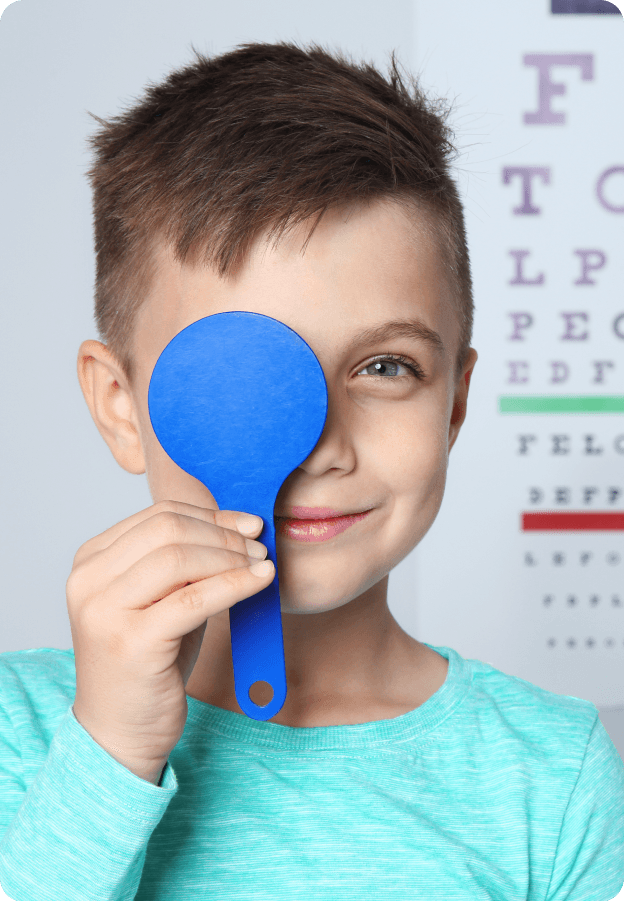
Examen complet de la vue adapté à l’âge de l’enfant, avec évaluation de l’acuité visuelle, de la réfraction et de la coordination oculaire.
Dépistage et traitement du strabisme (déviation d’un œil). Prise en charge médicale ou chirurgicale selon le cas.
Traitement de l’œil paresseux par occlusion ou correction optique. Un diagnostic précoce améliore significativement le pronostic.
Suivi de l’évolution de la myopie et mise en place de solutions pour ralentir sa progression (lentilles ortho-k, gouttes atropine).
Dépistage et prise en charge du glaucome congénital, cause de cécité évitable si diagnostiqué tôt.
Corps étranger, traumatisme oculaire, infection. Prise en charge rapide sans rendez-vous durant les horaires d’ouverture.
Le système visuel de l’enfant est en plein développement. Les anomalies détectées avant 6 ans sont dans la grande majorité des cas corrigibles. Passé cet âge, certaines corrections deviennent difficiles ou impossibles.

Premier examen recommandé
à 3 ans Premier examen recommandé à 6 ans Avant l’entrée à l’école
Suivi régulier conseillé

Chaque médecin Oculus est spécialiste dans son domaine — formé à l’international et engagé envers l’excellence clinique.
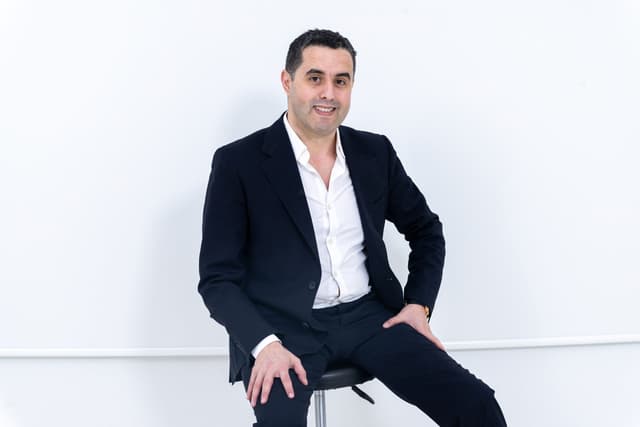
Spécialiste FMH en ophtalmologie

Spécialiste FMH en ophtalmologie
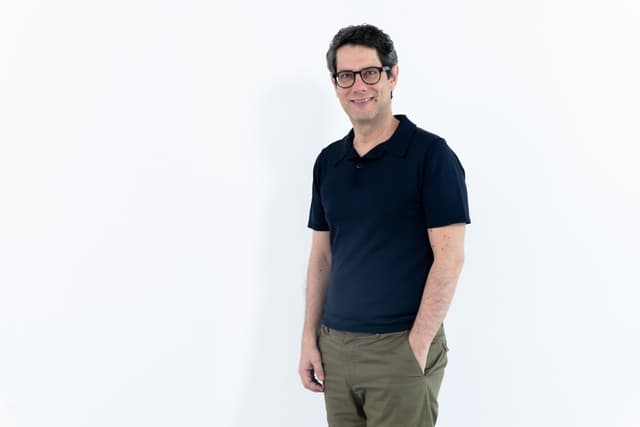
Spécialiste FMH en ophtalmologie
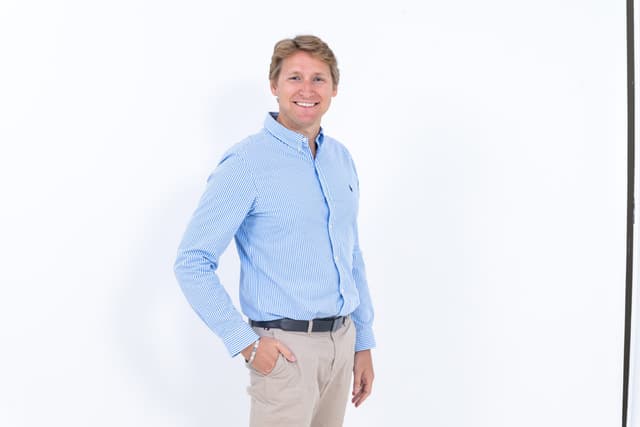
Spécialiste FMH en ophtalmologie
L’examen ophtalmologique pédiatrique est complètement indolore et adapté à l’âge de l’enfant. Il dure en général 45 minutes à 1 heure et se déroule en plusieurs étapes complémentaires.
L’ophtalmologue évalue la capacité de l’enfant à voir nettement de près et de loin, à l’aide de tableaux adaptés (images, lettres ou chiffres selon l’âge).
Examen de l’action des muscles oculomoteurs : coordination des deux yeux, dépistage du strabisme et de l’amblyopie. Réalisé avec un orthoptiste.
Des gouttes dilatent la pupille et paralysent temporairement l’accommodation pour mesurer avec précision la correction optique nécessaire.
Examen à la lampe à fente de la cornée, du cristallin et de l’iris. Permet de dépister les anomalies congénitales et les maladies inflammatoires.
Après dilatation, l’ophtalmologue examine la rétine, le nerf optique et les vaisseaux. Essentiel pour dépister le glaucome congénital et les anomalies rétiniennes.
Conseil pratique : L’examen est sans douleur. Les gouttes de dilatation peuvent légèrement piquer quelques secondes. La vision sera temporairement floue (2 à 4 heures) après les gouttes — prévoyez de ne pas conduire le jour de la consultation.
QUESTIONS FRÉQUENTES
Retrouvez ici les réponses aux questions que nos patients posent le plus souvent avant de prendre rendez-vous
Nous recommandons un premier examen vers 3 ans, avant l’entrée en maternelle. Un examen systématique est également conseillé à 6 ans avant l’entrée à l’école primaire.
Non. L’examen ophtalmologique est indolore. Des gouttes peuvent être instillées pour dilater la pupille. L’examen dure en général 30 à 45 minutes.
Le strabisme doit être pris en charge rapidement. Un œil dévié peut entraîner une amblyopie (baisse de vision irréversible) si non traité à temps. Consultez dès que possible.
Les consultations ophtalmologiques pédiatriques sont prises en charge par la LAMal (assurance maladie de base) en Suisse, sur prescription médicale.
Offrez à votre enfant le meilleur départ pour sa santé visuelle. Prenez rendez-vous dès aujourd’hui.