

Banner Image

Glaucoma Treatment in Switzerland

Glaucoma is a chronic eye disease that progressively damages the optic nerve. Without treatment, it can lead to irreversible vision loss. Early screening makes all the difference.

Introduction + Causes & Risk Factors

In Switzerland, approximately 200,000 people are affected by glaucoma, nearly half of whom have not yet been diagnosed. The condition represents one of the leading causes of irreversible blindness worldwide. Glaucoma affects 1 to 3% of people over 40, and nearly 10% after age 70.

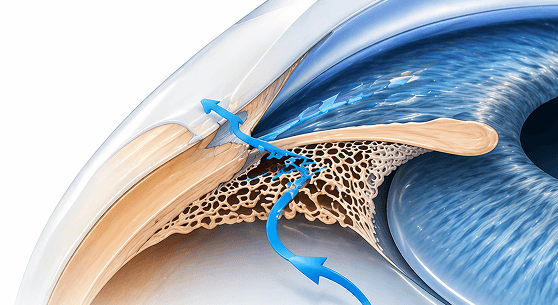
Glaucoma occurs when intraocular pressure increases, preventing aqueous humour from draining correctly. This pressure progressively damages the optic nerve — the “cable” that transmits visual signals to the brain. Without treatment, the damage can cause irreversible loss of peripheral and then central vision.

Causes of glaucoma

The main cause is increased intraocular pressure, which prevents aqueous humour from draining normally. Other mechanisms can also damage the optic nerve even without high pressure.

  • tick-markIncreased intraocular pressure (main cause)
  • tick-markImpaired aqueous humour circulation
  • tick-markOptic nerve fragility independent of pressure
  • tick-markVascular factors: poor ocular blood circulation
  • tick-markGenetic predisposition
Risk factors
Risk factors

  • tick-mark Age over 40
  • tick-markFamily history of glaucoma
  • tick-mark Elevated intraocular pressure
  • tick-markDiabetes or high blood pressure
  • tick-markHigh myopia or hyperopia
  • tick-mark Prolonged use of corticosteroids
  • tick-markHistory of eye injury
TYPES OF GLAUCOMA

The different forms of glaucoma

cataract eye imageMost common — 90% of cases

Chronic open-angle glaucoma

The most widespread form. It progresses slowly and silently, without pain or obvious symptoms. Vision remains clear until an advanced stage. This is why it is nicknamed “the silent thief of sight”. Regular screening from age 40 is essential.

cataract eye imageOphthalmic emergency

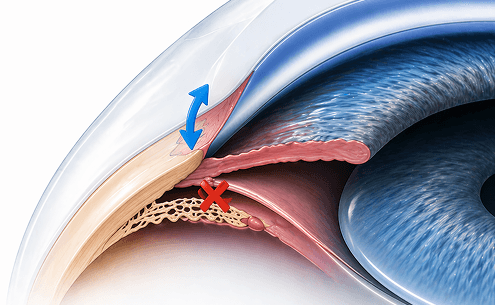
Acute angle-closure glaucoma

A rare but severe form. Intraocular pressure rises suddenly, causing intense pain, sudden vision loss, halos around lights, nausea and eye redness. This is a medical emergency requiring immediate treatment.

cataract eye imageCaused by another condition

Secondary glaucoma

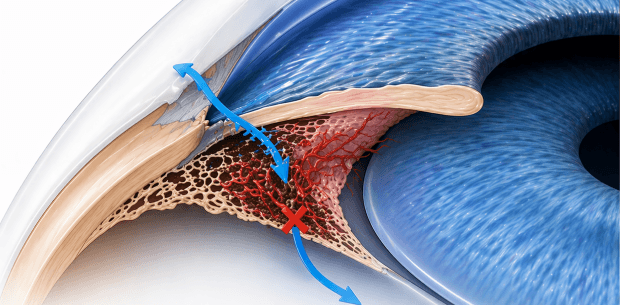
Develops following another eye disease (uveitis, injury, advanced cataract) or medical treatment (corticosteroids). Treatment of the underlying cause is the priority.

cataract eye imageRare — from birth

Congenital glaucoma

Present at birth or in the first years of life due to a malformation of the drainage system. Signs include watering eyes, light sensitivity and enlarged corneas. Requires early surgery.

SYMPTOMS & INDICATIONS

How to recognise glaucoma?

How to recognise glaucoma?
  • No pain or discomfort
  • Progressive narrowing of the peripheral visual field
  • Difficulty perceiving objects to the sides
  • Tunnel vision in advanced stages

In the vast majority of cases, chronic glaucoma causes no visible symptoms until an advanced stage. This is why regular screening is essential.

OUR DIAGNOSIS

How do we diagnose glaucoma?

Diagnosis is carried out by an ophthalmologist using precise, painless examinations. In Switzerland, regular screening from age 40 is recommended, with more frequent checks from age 50.

How do we diagnose glaucoma?
  • Tonometry — measurement of intraocular pressure
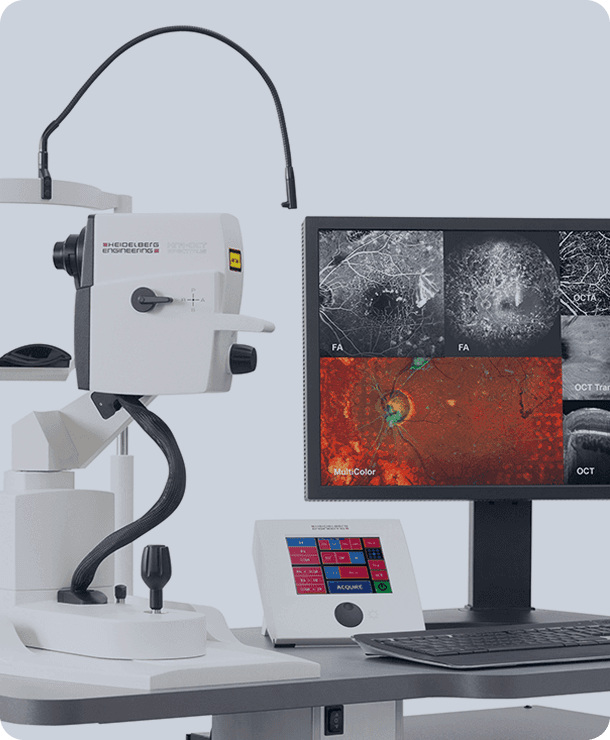
  • Optic nerve examination — fundus and OCT imaging
  • Perimetry — visual field measurement
  • Gonioscopy — drainage angle analysis
  • Pachymetry — corneal thickness measurement
OUR SPECIALISTS

An experienced team of doctors and consultants

doctor-image

Dr Chokri Lamloum

FMH Specialist in ophthalmology

ophthalmology
doctor-image

Dr Sabrina Chebli

FMH Specialist in ophthalmology

ophthalmology
doctor-image

Dr Vlasios Loukopoulos

FMH Specialist in ophthalmology

ophthalmology
doctor-image

Dr Arnaud Blommaert

FMH Specialist in ophthalmology

ophthalmology
doctor-image

Dr Mohamed El Wardani

FMH Specialist in ophthalmology

ophthalmology

Understanding glaucoma and its treatment

OUR TREATMENTS

Glaucoma treatments we offer

The aim of treatment is to reduce intraocular pressure to protect the optic nerve. It does not cure the disease but stops or slows its progression. Treatment is adapted to each patient based on the stage of the disease.

medication) First-line treatment

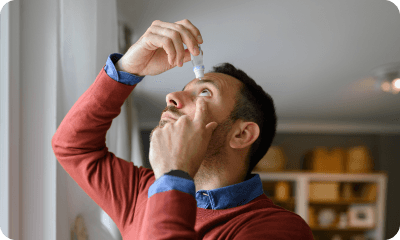
Eye drops (topical medication)

  • iconReference medical treatment
  • iconReduce intraocular fluid production
  • iconImprove natural drainage
  • iconEffective in approximately 85% of cases
  • iconDaily instillation at home
If drops are insufficient

Laser treatment

  • iconSelective Laser Trabeculoplasty (SLT) — improves drainage
  • iconPeripheral iridotomy — prevents acute glaucoma Quick, painless, outpatient Local anaesthetic drops only
  • iconRenewable if necessary
If other treatments fail

Glaucoma surgery

  • iconTrabeculectomy — new drainage channel
  • iconDeep non-perforating sclerectomy
  • iconDrainage implants (tubes)
  • iconRigorous post-operative follow-up included
  • iconEffective in stabilising pressure
LASER TECHNIQUES

Laser techniques used for glaucoma

Laser treatment for glaucoma is an effective alternative to eye drops or a complement when drops are no longer sufficient. These procedures are quick, painless and performed on an outpatient basis.

Selective Laser Trabeculoplasty (SLT)

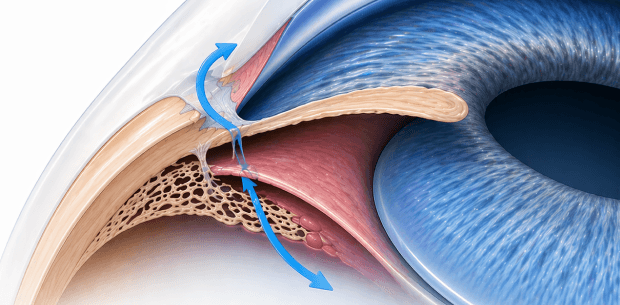
The laser targets the trabeculum, the drainage zone of the ocular fluid. It improves the outflow of aqueous humour to reduce pressure. Session of 5 to 10 minutes, painless, renewable.

Peripheral laser iridotomy

The laser creates a tiny opening in the iris to allow better circulation of ocular fluid. Indicated in patients at risk of angle-closure glaucoma.

HOW DOES THE CARE PATHWAY WORK?

Your care pathway at the Oculus Clinic

TEach patient receives personalised follow-up adapted to the stage of their disease and their medical situation.

01

Consultation and screening

Complete measurement of eye pressure, optic nerve examination (fundus, OCT) and visual field. Screening from age 40 is recommended in Switzerland.

clock45 min
02

Diagnosis and staging

The doctor evaluates the severity of glaucoma, pressure levels and the condition of the optic nerve. A personalised treatment plan is established.

clock45 min
03

Treatment initiation

Depending on the stage: eye drops prescribed, laser treatment or surgery. Treatment is explained in detail and adapted to your lifestyle.

clock45 min
04

Lifelong follow-up

Glaucoma is a chronic disease. Check-ups every 6 to 12 months allow treatment to be adjusted and pressure to be kept stable.

clock45 min

Recovery & aftercare

Long-term care and support

Strict adherence to the prescribed treatment is essential to preserve long-term vision. Our teams are available to answer all your questions between consultations.

After laser treatment

Immediate return home after the session. Slight eye discomfort may persist for a few hours. Pressure check-up at Day 7 and at 1 month.

After surgery

Close follow-up in the first weeks. Anti-inflammatory drops prescribed. Avoid intense physical activity for 2 weeks. Gradual resumption of activities

Lifelong follow-up

Check-ups every 6 to 12 months: pressure measurement, OCT of the optic nerve, perimetry. Treatment adjusted as needed.

SAFETY & RISKS

What you need to know

Glaucoma treatments are safe and well tolerated. The main risk remains lack of treatment, which leads to irreversible vision loss.

Category

Detail

Eye drops

Possible local effects: irritation, redness, allergy. Change of treatment possible if poorly tolerated.

SLT laser

Temporary pressure rise post-session (a few hours). Rare inflammation. Efficacy: 80–85%.

Surgery

Rare risks: infection, bleeding, secondary cataract. Rigorous post-operative monitoring included.

Without treatment

Progressive and irreversible loss of peripheral then central vision.

MONITORING & PREVENTION

How to prevent and monitor glaucoma?

monitoring and prevention image
Regular screening

An annual ophthalmology check-up from age 40 is the best protection. If risk factors are present, follow-up is every 6 months.

monitoring and prevention image
Adhering to treatment

Regular instillation of drops is essential. Never stop a treatment without medical advice, even in the absence of symptoms.

monitoring and prevention image
Healthy lifestyle

Moderate physical activity, balanced diet, stopping smoking and avoiding certain medicines (corticosteroids) without medical supervision.

REQUEST COSTS & RESOURCES

Glaucoma treatment coverage in Switzerland

State of the art laser surgery room

In Switzerland, the diagnosis and treatment of glaucoma are generally covered by basic health insurance (LAMal), subject to your deductible. We recommend checking with your insurer for your exact coverage..

  • tick-markScreening consultations — covered by LAMal with risk factors
  • tick-mark Eye drops — covered on prescription
  • tick-mark Laser treatment (SLT, iridotomy) — covered by LAMal
  • tick-mark Glaucoma surgery — covered by LAMal
  • tick-mark Post-operative follow-up — included in care

Contact us for any questions about reimbursement or for a personalised quote.

FREQUENTLY ASKED QUESTIONS

Your questions about glaucoma

Find answers to the questions our patients ask most often before booking an appointment.

No, glaucoma cannot be cured. However, early treatment and regular follow-up can stop its progression and preserve vision in the long term.

Yes, in approximately 85% of cases, drops effectively control intraocular pressure. Regular follow-up is necessary to ensure their efficacy.

No. The laser treatment is quick (5 to 10 minutes) and painless, performed under simple local anaesthetic drops. You can resume normal activities after the session.

Surgery is only considered if pressure remains high despite medication and laser treatment, or if the disease continues to progress despite well-managed treatment.

Often yes, but asymmetrically. The progression may differ between the two eyes. Both eyes must be monitored even if only one is affected.

Yes, screening examinations are covered by LAMal with risk factors (family history, elevated pressure, age over 40, etc.).

Live Booking

You Deserve the Highest Standard of Care

Book your glaucoma screening appointment and receive personalised follow-up by our specialists.

Book an appointment white arrow