

Banner Image

Cataract Treatment in Switzerland

Cataract is the world's leading cause of reversible vision loss. Regain clear vision with femtosecond laser surgery at the Oculus Clinics.

Introduction + Causes & Risk Factors

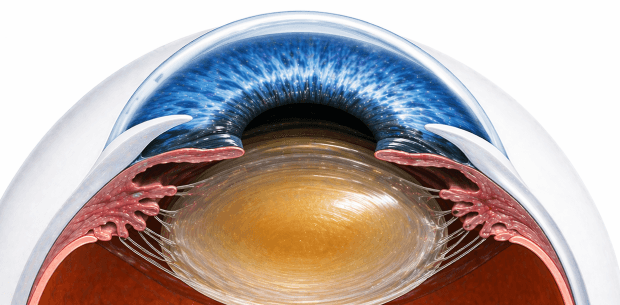
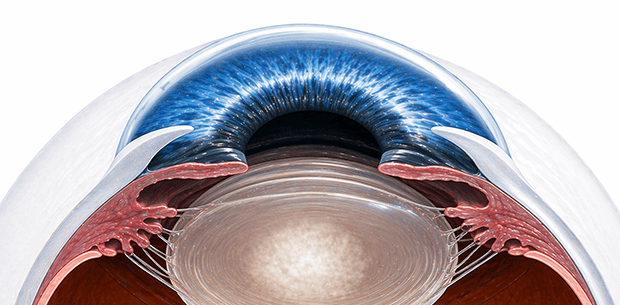
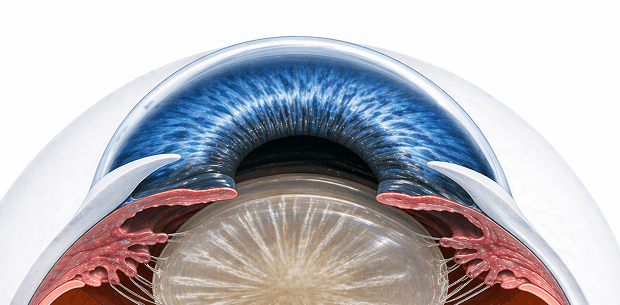
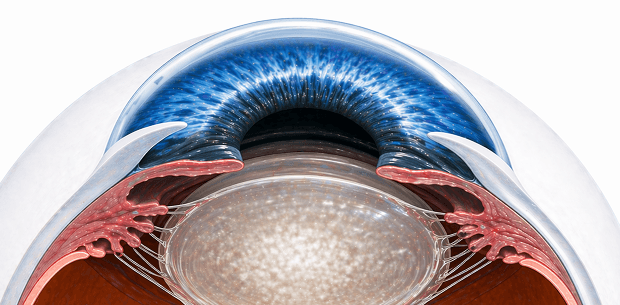
Cataract is a progressive clouding of the crystalline lens — the eye’s natural lens that focuses light on the retina. Over time, this lens becomes less transparent: vision blurs, colours appear dull and contrasts diminish. In Switzerland, nearly one in five people over 65 is affected.

Causes of cataract

In more than 90% of cases, cataract is linked to natural ageing of the lens. Other factors may accelerate its development:

  • tick-markAgeing (main cause)
  • tick-markDiabetes: excess glucose alters the lens structure
  • tick-markProlonged use of corticosteroids
  • tick-markEye injuries
  • tick-markChronic eye inflammation (uveitis)
  • tick-markExcessive UV exposure
  • tick-markSmoking
  • tick-markGenetic predisposition
Risk factors
Who is most at risk?

  • tick-markPeople over 50
  • tick-markDiabetic patients
  • tick-mark People on long-term corticosteroid treatment
  • tick-markWorkers with prolonged sun exposure without protection Smokers
  • tick-mark Family history of early cataract
TYPES OF CATARACT

The different forms of cataract

cataract eye imageMost common

Nuclear cataract

Affects the central nucleus of the lens. It develops slowly with age, causing yellowed or browned vision and temporary myopia. The most common form after the age of 60.

cataract eye imageRapid progression

Posterior subcapsular cataract

Forms at the back of the lens. Faster-progressing, often linked to corticosteroids or diabetes. Particularly affects reading and night vision.

cataract eye imageSpoke-like appearance

Cortical cataract

Develops in the outer layers of the lens in spoke-like patterns. Causes glare and blurred vision, especially when driving.

cataract eye imagePresent from birth

Congenital cataract

Present at birth or appearing in the first years of life. May affect one or both eyes. Requires early treatment to prevent lasting visual damage.

SYMPTOMS & INDICATIONS

How to recognise cataract?

Cataract progresses gradually. Symptoms typically appear after the age of 50 and worsen over time:

How to recognise cataract?
  • Blurred or misty vision, as if looking through a dirty window
  • Sensitivity to glare: headlights at night, bright sunlight
  • Colour distortion: whites turn yellow, blues fade
  • Double vision or ghost images in one eye
  • Increasing difficulty reading, even with correction
  • Frequent need to change glasses prescription

If you notice these signs, an ophthalmology consultation is recommended. Early diagnosis means simple, effective treatment.

OUR DIAGNOSIS

How do we diagnose cataract?

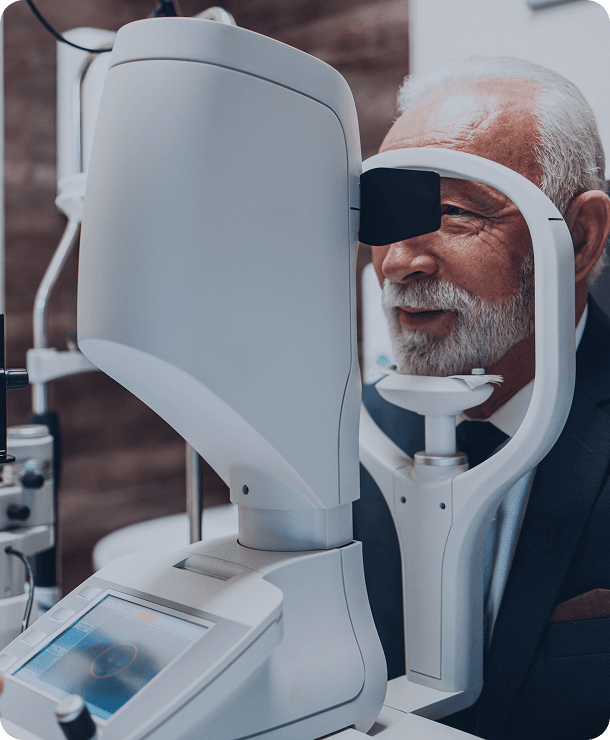
Diagnosis is based on a complete, rapid and painless ophthalmic examination. At Oculus, we have state-of-the-art diagnostic technology for a precise assessment of your lens.

How do we diagnose cataract?
  • Visual acuity measurement — assessing loss of sharpness
  • Biomicroscopy (slit lamp) — detailed examination of the lens
  • Fundus examination — retina and optic nerve check
  • Biometry — personalised implant calculation
  • Corneal topography — corneal curvature analysis
OUR SPECIALISTS

An experienced team of doctors and consultants

doctor-image

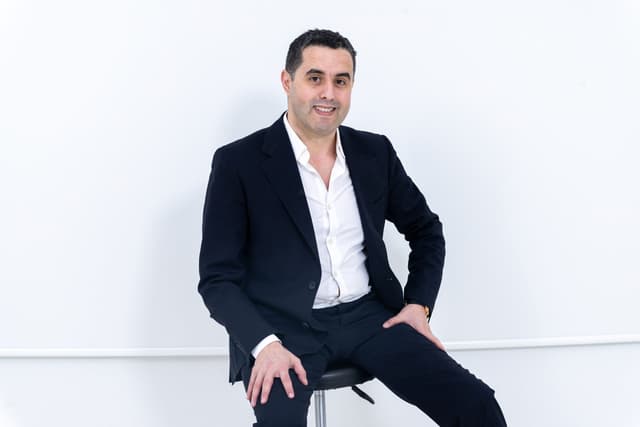
Dr Chokri Lamloum

FMH Specialist in ophthalmology

ophthalmology
doctor-image

Dr Sabrina Chebli

FMH Specialist in ophthalmology

ophthalmology
doctor-image

Dr Vlasios Loukopoulos

FMH Specialist in ophthalmology

ophthalmology
doctor-image

Dr Arnaud Blommaert

FMH Specialist in ophthalmology

ophthalmology
doctor-image

Dr Mohamed El Wardani

FMH Specialist in ophthalmology

ophthalmology

Catarct: Signs and treatment

OUR TREATMENTS

Cataract treatments we offer

Surgery is the only effective treatment for cataract. At the Oculus Clinic, we offer different approaches depending on your profile and visual needs.

Reference technique

Standard phacoemulsification

  • iconMinimised incision (2.2 mm)
  • iconUltrasound to fragment the lens
  • iconMonofocal implant included
  • iconFull LAMal reimbursement
  • iconRecovery in 48 hours
Maximum precision

Femtosecond laser surgery

  • iconZiemer Z8 femtosecond laser
  • iconAutomated corneal incisions
  • iconLens fragmentation without ultrasound
  • iconIdeal for astigmatic patients
  • iconMore predictable outcomes
Freedom from glasses

Surgery with premium implant

  • iconMultifocal or toric implants
  • iconNear and distance vision without glasses
  • iconSimultaneous astigmatism correction
  • iconFemtosecond laser option available
  • iconPartial LAMal reimbursement
TYPES OF IMPLANTS

Which implant is right for your eye?

During surgery, the clouded lens is replaced by a personalised intraocular implant (artificial lens) chosen according to your visual profile and lifestyle.

Aspheric (monofocal) implants

Correct distance vision only. Improve vision quality in low light and enhance contrast perception. Ideal for night driving. Reading glasses are still required.

Toric implants

Designed to correct astigmatism at the same time as cataract. They compensate for corneal curvature abnormalities for a sharp, undistorted image at distance.

Multifocal implants

Allow clear near and distance vision, reducing or eliminating the need for glasses after surgery. Slight halos may appear initially and usually resolve within a few weeks.

Extended Depth of Focus (EDOF) implants

Provide a continuous range of vision from distance to intermediate with fewer halos than multifocals. Particularly suited to screen users and drivers.

HOW DOES THE PROCEDURE WORK?

Cataract surgery step by step

TThe procedure is outpatient, painless and takes approximately 20 minutes per eye. You go home the same day.

01

Local anaesthetic drops

Anaesthetic drops are instilled in the eye. No injections, no pain. You remain awake and relaxed throughout the procedure.

clock45 min
02

Corneal incision

The surgeon makes a micro-incision of 2.2 mm at the edge of the cornea. With the femtosecond laser, this step is fully automated for maximum precision.

clock45 min
03

Lens fragmentation and aspiration

The clouded lens is fragmented by ultrasound (phacoemulsification) and aspirated. With the laser, this step is performed without ultrasound for an even gentler procedure.

clock45 min
04

Implant placement

The new artificial lens, folded in a cartridge, is inserted into the capsular bag and automatically unfolds. It is precisely positioned by the surgeon.

clock45 min
05

End of procedure

The micro-incision closes spontaneously without sutures. A protective eye drop is instilled. You leave the clinic with a light dressing and clear post-operative instructions.

clock45 min

Recovery & aftercare

What to expect after surgery?

Both eyes are operated on a few weeks apart to ensure progressive, safe recovery. 12-month follow-up is included in the price.

Day 1

Vision improves from the next day. A check-up is carried out by your surgeon. You can resume light daily activities.

Week 1

Anti-inflammatory eye drops to be instilled regularly. Avoid swimming, intense physical activity and eye make-up. Protect the eye from sunlight.

Months 1–3

Vision stabilises progressively. Check-ups at Day 7 and Day 30. Driving is permitted once medically approved, generally after 2–3 days.

SAFETY & RISKS

What you need to know

Cataract surgery is one of the safest and most commonly performed surgical procedures in the world. The rate of serious complications is below 1%.

Category

Detail

Success rate

> 98%

Temporary effects

Light sensitivity, slightly blurred vision in the first few days

Rare risks (< 1%)

Infection, inflammation, retinal detachment, secondary opacification (treated with YAG laser)

Secondary opacification

May occur months post-op. Treated in 5 min with YAG laser, painless

MONITORING & PREVENTION

How to prevent and monitor cataract?

monitoring and prevention image
Regular check-ups

An annual eye examination is recommended from age 50. It detects early-stage cataract and allows follow-up to be adapted to its progression.

monitoring and prevention image
UV protection

Wearing quality sunglasses (UV400 filter) slows lens ageing. Essential during prolonged sun exposure.

monitoring and prevention image
Healthy lifestyle

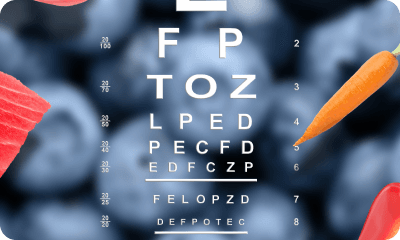
Stopping smoking, an antioxidant-rich diet (fruit, vegetables, omega-3), managing diabetes and blood pressure all help preserve lens health.

REQUEST COSTS & RESOURCES

Cataract surgery pricing in Switzerland

State of the art laser surgery room

In Switzerland, standard cataract surgery is covered by basic health insurance (LAMal), subject to your deductible..

  • tick-mark Standard phacoemulsification — covered by LAMal
  • tick-mark Femtosecond laser — partial reimbursement depending on supplementary insurance
  • tick-mark Premium implants (multifocal, EDOF) — at the patient's cost
  • tick-mark Post-operative follow-up — included in the package

Contact us for a personalised quote suited to your situation and insurance.

FREQUENTLY ASKED QUESTIONS

Your questions about cataract surgery

Find answers to the questions our patients ask most often before booking an appointment.

The procedure takes approximately 20 minutes per eye. Allow 2 to 3 hours at the clinic in total (preparation, surgery and post-operative monitoring).

No. Local anaesthetic drops make the procedure completely painless. You may feel slight pressure, but no pain. Most patients are surprised by how comfortable the procedure is.

No. Both eyes are operated a few weeks apart to ensure progressive, safe recovery.

Driving is generally possible 2 to 3 days after surgery, once vision has stabilised and been approved by your surgeon at the post-operative check-up.

Yes, standard surgery is covered by LAMal subject to your deductible. Premium options (femtosecond laser, multifocal implants) may require supplementary insurance.

No. Once the lens is replaced by an artificial implant, cataract cannot reform on the implant. Secondary opacification (secondary cataract) may occur on the capsule and is treated in 5 minutes with a YAG laser.

Live Booking

You Deserve the Highest Standard of Care

Book your cataract assessment appointment and receive comprehensive, personalised care.

Book an appointmentwhite arrow