

Banner Image

Orthopaedic Surgery in Switzerland

The orthopaedic surgeons at the Oculus Clinic offer the highest standard of care using the most innovative techniques. We prioritise minimally invasive procedures for faster recovery and a quicker return to daily activities.

Introduction + Causes & Risk Factors

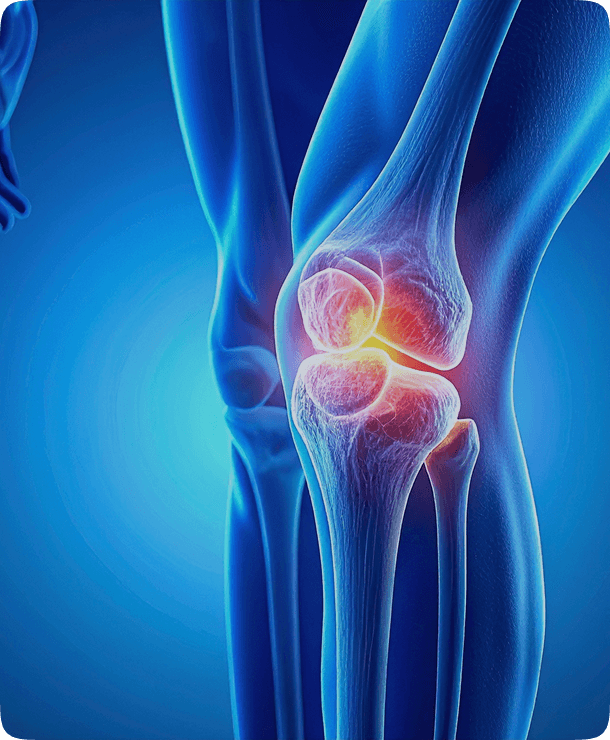
Orthopaedic surgery is the medical specialty dedicated to the diagnosis, treatment and rehabilitation of musculoskeletal conditions: bones, joints, muscles, tendons and ligaments. At the Oculus Clinic, all procedures are performed on-site in a state-of-the-art surgical unit, with same-day discharge.

Causes of orthopaedic conditions
Causes

Musculoskeletal conditions can affect anyone, at any age. The main causes include:

  • tick-markAgeing and joint wear (osteoarthritis)
  • tick-markTrauma: falls, accidents, fractures
  • tick-markIntensive sport or repetitive movements
  • tick-markCongenital malformations or deformities
  • tick-markMetabolic diseases: diabetes, osteoporosis
Risk factors
Who is most at risk?

  • tick-mark People over 50
  • tick-markDiabetic patients (diabetic foot)
  • tick-markHigh-level or recreational athletes
  • tick-markWearing unsuitable footwear
  • tick-markHistory of joint injuries
TYPES OF ORTHOPAEDIC CONDITIONS

Conditions we treat

cataract eye imageFoot pathology

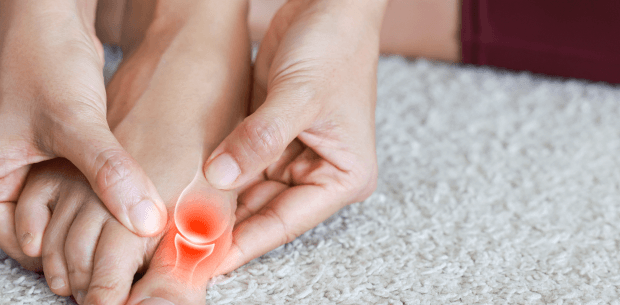
Hallux valgus (bunion)

A painful and unsightly deformity of the big toe. The joint deviates outward, creating a bony bump, pain and difficulty wearing shoes. Conservative or surgical treatment depending on severity.

cataract eye imageTraumatology

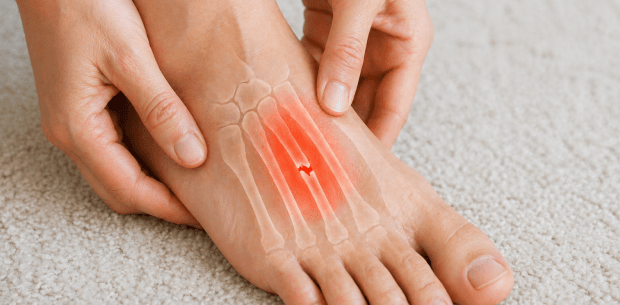
Sprains and fractures

Stretching or tearing of ligaments (sprains) and bone breaks (fractures) of the foot, ankle or lower limb. Prompt and appropriate management based on severity.

cataract eye imageTendon pathology

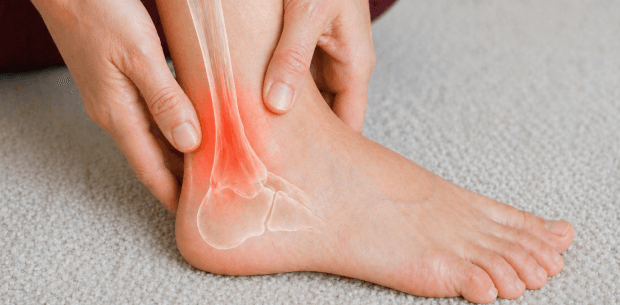
Tendinitis and tendinopathies

Inflammation or degeneration of the tendon, particularly the Achilles tendon. Causes pain and stiffness. Treated with physiotherapy, injections or surgery depending on progression.

cataract eye imageDegenerative pathology

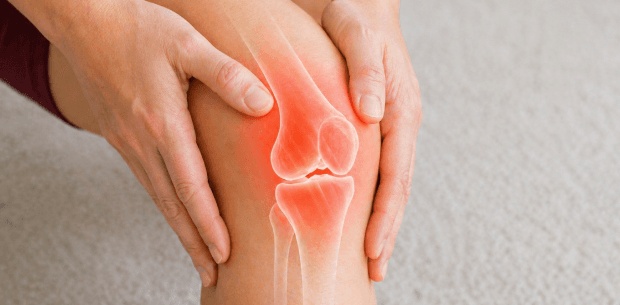
Arthrosis and joint deformities

Progressive wearing of joint cartilage causing pain, stiffness and limited movement. Conservative treatment as a first step; surgery (osteotomy, prosthesis) if required.

SYMPTOMS & INDICATIONS

How to recognise an orthopaedic condition?

Seek specialist advice if you experience one or more of the following signs:

How to recognise an orthopaedic condition?
  • Persistent pain in the foot, ankle or knee
  • Swelling or localised warmth around a joint
  • Difficulty walking, running or standing
  • Visible deformity of a toe or joint
  • Joint instability (ankle giving way)
  • Night pain or pain at rest disrupting sleep

Do not let pain become chronic. Early treatment often prevents worsening and reduces the need for surgery.

OUR DIAGNOSIS

How do we diagnose your condition?

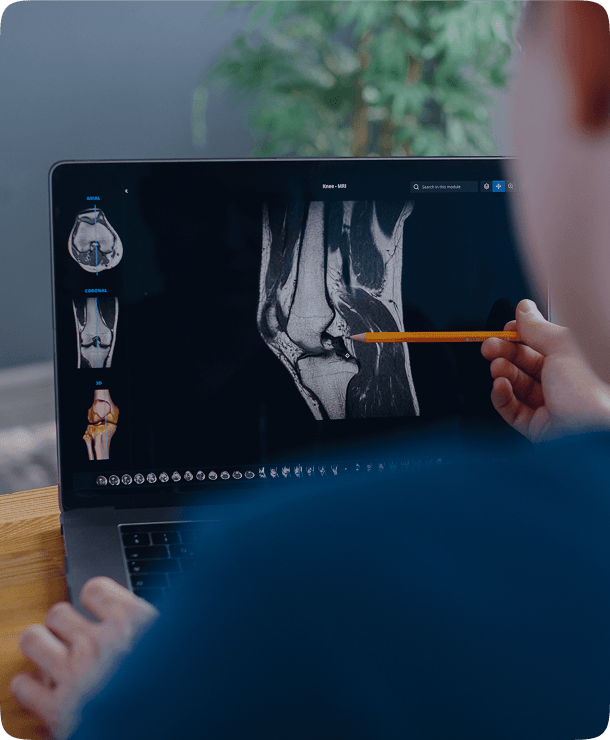
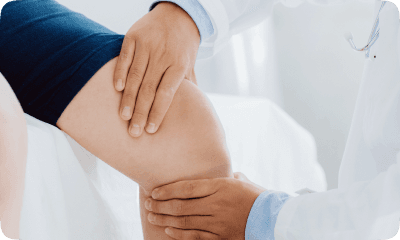
At the first consultation, our surgeon carries out a full assessment before proposing any intervention. We always favour conservative treatment when possible.

How do we diagnose your condition?
  • Full clinical examination — functional and biomechanical assessment
  • X-rays — bone and joint evaluation
  • Ultrasound — tendon and ligament assessment
  • MRI or CT scan — pre-operative assessment if required
OUR SPECIALISTS

An experienced team of doctors and surgeons

Team of physicians and consultants

doctor-image

Dr. G. Barbier

FMH Specialist in Orthopaedics — Foot & Ankle Surgery

doctor-image

Dr. L. Helfer

FMH Specialist in Orthopaedic Surgery

doctor-image

Dr. J. Huismans

FMH Specialist in Orthopaedic Surgery

doctor-image

Dr. A. Cissé

FMH Specialist in Orthopaedic Surgery & Traumatology

OUR TREATMENTS

Orthopaedic treatments we offer

Our approach prioritises conservative treatment. When surgery is required, our minimally invasive techniques allow faster recovery and same-day discharge.

First-line approach

Conservative treatment

  • iconPhysiotherapy and functional rehabilitation
  • iconCustom orthopaedic insoles Injections (corticosteroids, hyaluronic acid)
  • iconOrthopaedic braces or splints
  • iconChronic pain management
Minimally invasive surgery

Advanced technique

  • iconPercutaneous foot surgery (no visible incision)
  • iconArthroscopy — joint endoscopy
  • iconHallux valgus and hammer toe correction
  • iconTendon repair (Achilles tendon)
  • iconMinimally invasive spine surgery
Conventional surgery

When required

  • iconOsteotomy and deformity correction
  • iconOsteosynthesis (fracture fixation)
  • iconAnkle or joint prosthesis
  • iconArthrodesis (joint fusion) Diabetic foot surgery
HOW DOES THE PROCEDURE WORK?

Your care pathway at the Oculus Clinic

TFrom the first consultation to post-operative follow-up, every step is organised for your comfort and safety.

01

Initial consultation and assessment

Full clinical examination, review of imaging (X-ray, ultrasound, MRI). Your surgeon explains the treatment options and presents the most suitable care plan.

clock45 min
02

Preparation for surgery

Pre-operative assessment, informed consent, pre-operative instructions (medications, fasting). Your dedicated nurse is on hand to answer all your questions.

clock45 min
03

Surgical procedure

Operation performed in our state-of-the-art surgical unit under local or general anaesthesia depending on the procedure. Minimally invasive techniques prioritised. Same-day discharge.

clock45 min
04

04 Follow-up and rehabilitation

Scheduled post-operative check-ups. Tailored physiotherapy programme. Our highly qualified nursing team provides attentive, professional and dedicated care.

clock45 min

Recovery & aftercare

What to expect after surgery

Day 0 — Home discharge

Most of our procedures are outpatient: you go home the same day. A nurse will give you post-operative instructions and remain reachable if you have any concerns.

Weeks 1–3

Elevation of the operated limb, ice application, prescribed pain relief. Post-operative shoe or splint as required. Physiotherapy begins.

Weeks 4–12

Progressive return to daily activities. Return to work depending on the nature of your job. Sport generally resumed between 6 and 12 weeks depending on the procedure.

SAFETY & SIDE EFFECTS

What you need to know

Orthopaedic surgery is safe and well controlled. Our minimally invasive techniques significantly reduce the risks associated with traditional open surgery.

Common mild effects

Post-operative pain and swelling, local bruising. Generally resolve within 1 to 2 weeks.

Rare risks (< 2%)

Infection, thrombosis, skin necrosis, transient nerve injury. Closely monitored by our team.

Minimally invasive benefits

Reduced scarring, less post-operative pain, faster recovery compared to traditional open surgery.

Our safety standards

Operating theatre meeting the highest Swiss standards. Qualified nursing staff dedicated to each patient.

MONITORING & PREVENTION

Preventing orthopaedic conditions

monitoring and prevention image
Suitable footwear

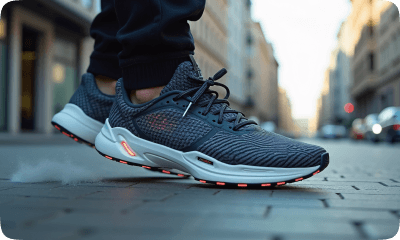
Wear wide-toed, low-heeled shoes with good arch support. Avoid prolonged high heels and shoes that are too narrow.

monitoring and prevention image
Regular physical activity

Walking, swimming and cycling strengthen peri-articular muscles and prevent joint wear. Listen to your body and do not push through pain.

monitoring and prevention image
Preventive check-ups

If you have diabetes, an annual podiatric assessment is essential. As soon as persistent pain appears, seek advice promptly to prevent worsening.

REQUEST COSTS & RESOURCES

Orthopaedic surgery coverage in Switzerland

State of the art laser surgery room

In Switzerland, medically justified surgical procedures are covered by basic health insurance (LAMal), subject to your deductible..

  • tick-markConsultations and assessments — covered by LAMal on prescription
  • tick-markOutpatient surgery — covered by LAMal
  • tick-markOrthopaedic insoles — partially reimbursed on prescription
  • tick-markPost-operative physiotherapy — covered on prescription

Contact us for any questions about your coverage or to request a personalised quote.

FREQUENTLY ASKED QUESTIONS

Your questions about orthopaedic surgery

Find answers to the questions our patients ask most often before booking an appointment

No, the vast majority of our procedures are outpatient: you go home the same day. Hospitalisation is only considered for major procedures.

With minimally invasive (percutaneous) techniques, recovery takes 3 to 6 weeks. Conventional techniques require 6 to 12 weeks depending on the procedure.

In most cases, yes — with a suitable post-operative shoe. Immediate weight-bearing is often possible with minimally invasive techniques.

Anaesthesia (local or general) makes the operation painless. Pain relief is prescribed for the recovery period. Minimally invasive techniques considerably reduce post-operative pain.

Yes, medically indicated surgical procedures are covered by LAMal subject to your deductible. Check with your insurer for details.

Live Booking

You Deserve the Highest Standard of Care

Book your orthopaedic consultation and receive comprehensive care from our specialist surgeons.