
Blépharoplastie supérieure
 Excès de peau et de graisse
- Cicatrice dans le pli naturel
- Anesthésie locale 30 à 45 minutes
- Remboursement LAMal possible



Avec les années, les paupières présentent un excès de peau et de graisse qui confèrent un air triste et fatigué. La blépharoplastie corrige cet excès pour redonner un regard ouvert, reposé et rajeuni.
La blépharoplastie est une intervention chirurgicale qui permet de corriger l’excès de peau et de graisse au niveau des paupières supérieures et/ou inférieures. Elle redonne un coup d’éclat au regard et peut, dans certains cas, améliorer le champ visuel limité par des paupières tombantes.
 Vieillissement naturel et perte d’élasticité cutanéeAffaissement progressif de la peau des paupières supérieuresApparition de poches de graisse aux paupières inférieuresFacteurs génétiques (prédisposition familiale)Exposition solaire chronique et tabac Paupières supérieures tombantes donnant Poches de graisse sous les yeux (paupChamp visuel limité par l’excès de peauDésir de rajeunir et raviver le regard18 ans minimum, bonne santé générale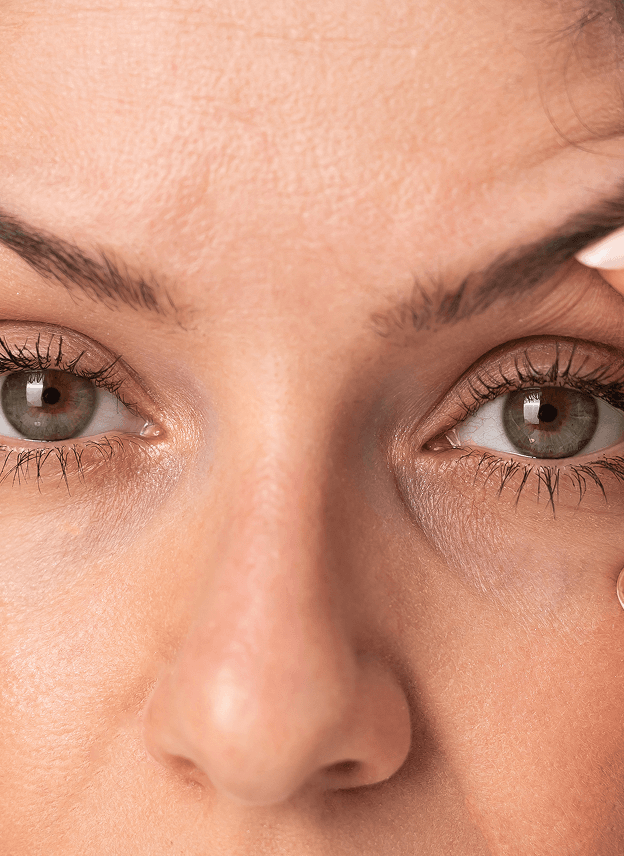
Correction de l’excès de peau et de graisse des paupières supérieures. La cicatrice se dissimule dans le pli naturel de la paupière. Durée : 30 à 45 minutes sous anesthésie locale.
Suppression des poches de graisse sous les yeux. Deux approches possibles : transcutanée (avec cicatrice discrète) ou transconjonctivale (sans cicatrice visible). Durée : 30 à 45 minutes.
Traitement des quatre paupières en une seule intervention. Rajeunissement global du regard. Durée : 60 à 90 minutes sous anesthésie locale. Retour à domicile le jour même.
Lorsque les paupières tombantes limitent le champ visuel, la blépharoplastie supérieure peut être prise en charge partiellement par la LAMal. Bilan ophtalmologique requis.
Une blépharoplastie peut être envisagée si vous présentez :
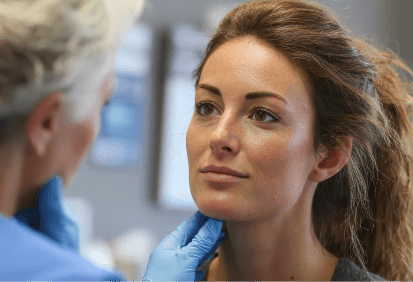
L’intervention se déroule sous anesthésie locale et ne nécessite aucune hospitalisation. Les résultats sont visibles dès la fin de l’intervention.
Lors de la consultation, notre chirurgien évalue l’état de vos paupières, votre champ visuel et votre morphologie pour déterminer la technique la mieux adaptée.

Spécialiste FMH en chirurgie plastique et esthétique
Spécialiste FMH en chirurgie plastique et esthétique
NOS TRAITEMENTS
L’intervention se déroule sous anesthésie locale, dure entre 30 et 90 minutes selon les zones traitées, et ne nécessite aucune hospitalisation. Retour à domicile le jour même.
Excès de peau et de graisseCicatrice dans le pli naturelAnesthésie locale 30 à 45 minutesRemboursement LAMal possibleSuppression des poches de graisseApproche transcutanée ou transconjonctivaleAnesthésie locale 30 à 45 minutesCicatrice discrète ou invisibleSupérieure + inférieureRajeunissement global du regardAnesthésie locale 60 à 90 minutesRetour à domicile le jour mêmeLa technique est choisie lors de la consultation selon la zone à corriger et l’importance de l’excès de peau ou de graisse.
Incision dans le pli naturel de la paupière supérieure ou sous le cil de la paupière inférieure. Permet de retirer l’excès de peau et de graisse. Cicatrice discrète et rapidement invisible
Incision à l’intérieur de la paupière inférieure, sans cicatrice externe. Idéale pour les patients jeunes avec des poches de graisse sans excès de peau. Récupération plus rapide.
Une intervention simple, rapide et sans hospitalisation.
Examen des paupières et évaluation du champ visuel. Choix de la technique. Bilan médical pré-anesthésique. Démarche de remboursement LAMal si applicable.
Anesthésie locale. Durée : 30 à 90 minutes selon les zones. Retrait de l’excès de peau et/ou de graisse. Sutures fines et discrètes.
Les premiers résultats sont visibles dès la fin de l’intervention. Le regard paraît plus reposé. Retour à domicile le jour même.
Les ecchymoses disparaissent totalement en une dizaine de jours. Le résultat optimal est apprécié à 3 mois, le temps que les tissus cutanés retrouvent leur souplesse
RÉCUPÉRATION ET SOINS
Légers œdèmes et ecchymoses normaux. Application de compresses froides pour réduire le gonflement. Éviter de frotter les yeux. Port de lunettes de soleil recommandé.
Les ecchymoses disparaissent progressivement. Reprise des activités légères possible après 5 à 7 jours. Eviter les efforts physiques intenses et l’exposition solaire.
Résultat définitif apprécié à 3 mois. Cicatrices devenues discrètes et bien intégrées. Regard rajeuni, ouvert et reposé.
La blépharoplastie est une intervention sûre et bien maîtrisée. Les complications graves sont exceptionnelles lorsqu’elle est réalisée par un chirurgien qualifié.
Oedème et ecchymoses les premiers jours. Disparaissent en 10 à 14 jours. Gérés par les soins locaux.
Hématome, infection, cicatrisation atypique. Surveillés lors du suivi post-opératoire.
Sécheresse oculaire temporaire possible. Traitements locaux disponibles si nécessaire.
Chirurgiens FMH membres SSCPRE, SSCE et ISAPS. Intervention sous anesthésie locale sécurisée.

Appliquez une protection solaire SPF 50+ sur les cicatrices pendant les 6 premiers mois. L’exposition solaire peut foncér les cicatrices.

Maintenez une bonne hydratation cutanée autour des yeux avec une crème adaptée. Un colyres hydratant peut être recommandé en cas de sécheresse oculaire.

Contrôle annuel recommandé pour suivre l’évolution des tissus. Le résultat est durable mais le vieillissement naturel se poursuit.

La blépharoplastie à vocation esthétique n’est pas remboursée par la LAMal. Lorsqu’elle est indiquée pour raisons médicales (champ visuel limité), une prise en charge partielle est possible..
Blépharoplastie — Dès 3’500 Consultation initiale — CHF 150 (déduits du traitement)Remboursement LAMal partiel possible si indication médicaleUn devis précis vous est remis lors de la consultation pré-opératoire.
QUESTIONS FRÉQUENTES
Retrouvez ici les réponses aux questions que nos patients posent le plus souvent avant de prendre rendez-vous
Non, la blépharoplastie se déroule sous anesthésie locale. Vous ne ressentez aucune douleur pendant l’intervention. Les suites sont peu douloureuses, avec surtout des œdèmes et ecchymoses les premiers jours.
Généralement après 5 à 7 jours pour un travail de bureau. Les ecchymoses se dissimulent facilement avec du maquillage dès J+7.
Le résultat est durable — en général 10 à 15 ans. Le vieillissement naturel continue, mais l’amélioration reste visible à long terme.
La blépharoplastie esthétique n’est pas remboursée. En cas d’indication médicale (champ visuel réduit), une prise en charge LAMal partielle est possible sur justificatif ophtalmologique.
Oui, elle peut être combinée avec un lifting cervico-facial ou des injections d’acide hyaluronique pour un rajeunissement global du visage.
Prenez rendez-vous pour votre consultation chirurgicale et retrouvez un regard rajeuni et reposé.